
Sub-Total: $0.00
1930s–1940s
The Birth of Alcoholics Anonymous
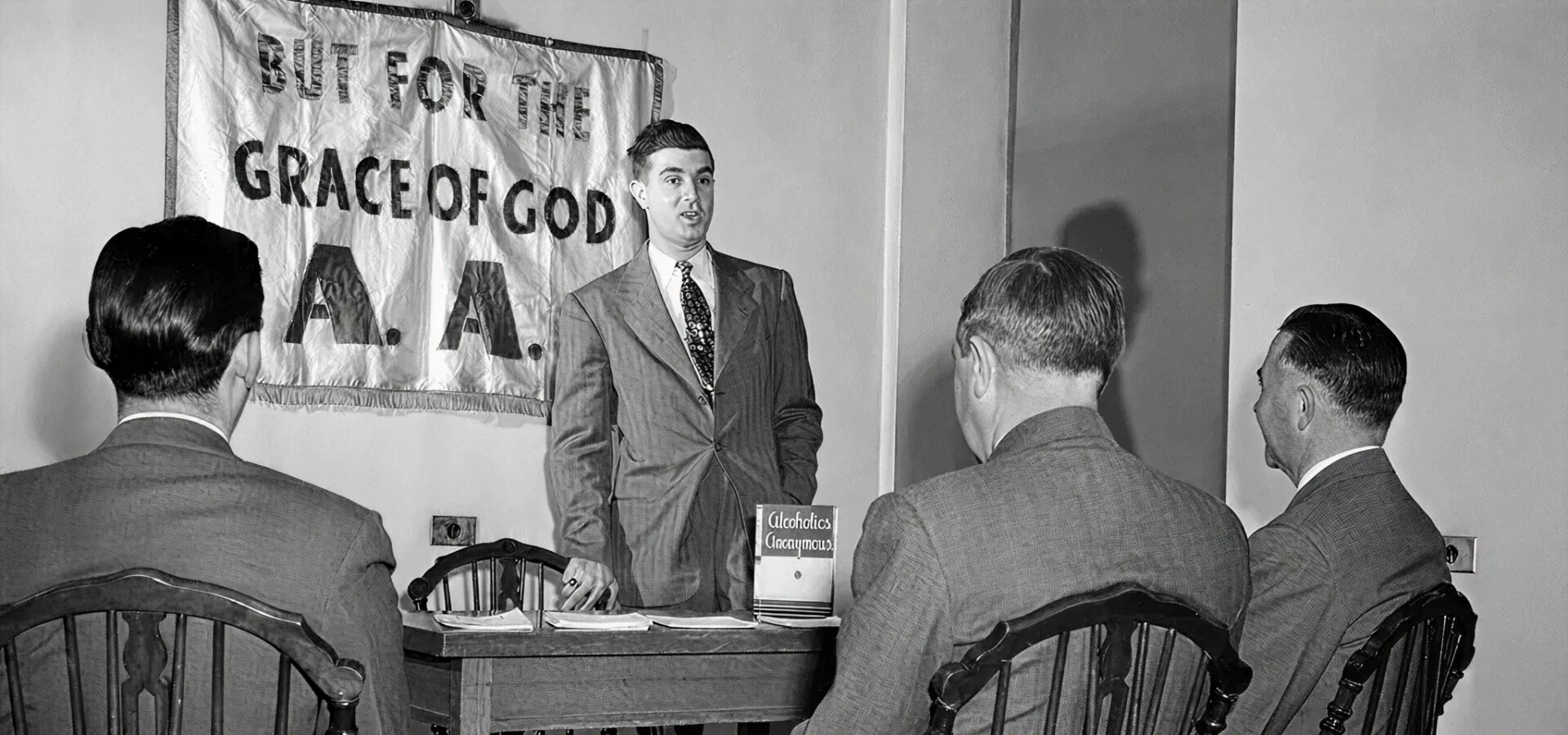
In Akron, Ohio, a small group of men discovered that lasting freedom from alcoholism came through honesty, spiritual surrender, and helping others. From these early meetings emerged the Twelve Steps of Alcoholics Anonymous—a simple, revolutionary path that would change millions of lives around the world.
1938–1939 The Twelve Steps Take Shape in New York City
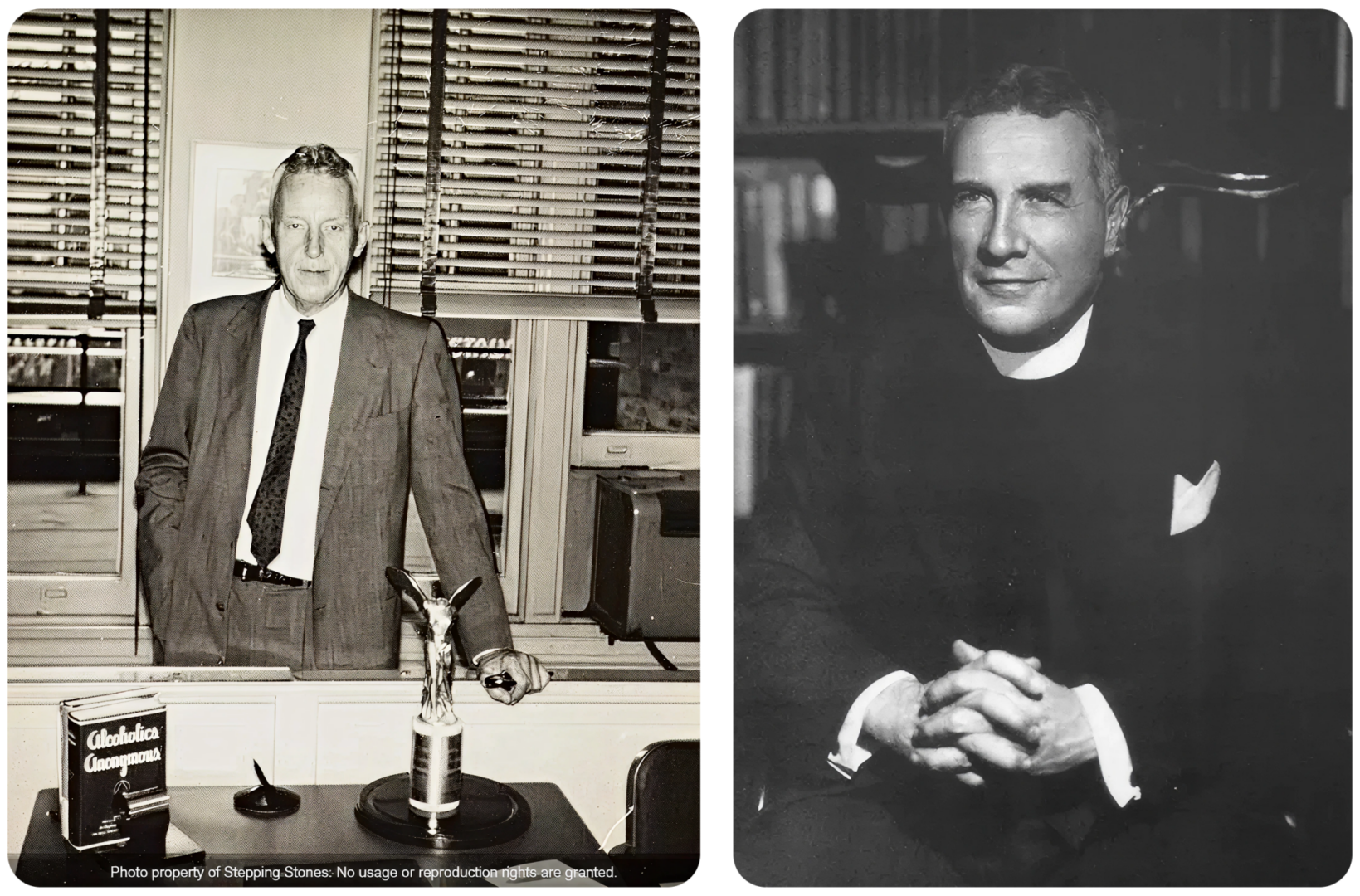
In New York City, Bill Wilson, cofounder of Alcoholics Anonymous, worked closely with Sam Shoemaker, rector of Calvary Episcopal Church. Through their conversations, sermons, and spiritual guidance at Calvary House, the spiritual principles that became the Twelve Steps were shaped and written. These ideas—rooted in confession, surrender, restitution, prayer, and service—formed the foundation of Alcoholics Anonymous and continue to guide recovery today.

1966 Clarence Snyder and the Came to Believe Retreats
Clarence Snyder, one of the original members of Alcoholics Anonymous and a contributor to the Big Book, began what became known as the Came to Believe retreats. These immersive weekend experiences guided participants through the Twelve Steps as a clear spiritual process, rather than a long, fragmented journey. Those who followed this approach often described themselves as recovered, living in freedom rather than ongoing struggle.
1979 Steve Foreman Meets Clarence Snyder.
On January 21, 1979, Steve Foreman found himself at a crossroads, undone by alcoholism and willing to make a change. He wandered into an A.A. room and met Clarence Snyder. Steve and Sue Foreman’s lives were changed forever. Clarence asked them to carry this A.A. legacy after his death.


Early 2000s Preserving the Path
Clarence’s sponsees came together to preserve what they had been taught, documenting the process in what became the Legacy Guide Workbook. This guide ensured the clarity, order, and spiritual depth of the retreats would be faithfully carried forward—and it remains central to every CTBR retreat today.

2015 One Movement, One Mission
Independent retreats united to form Came to Believe Recovery, establishing a nonprofit organization to steward Clarence’s vision with shared leadership, consistency, and care.

2023 Present — Recovery in Partnership with The Salvation Army
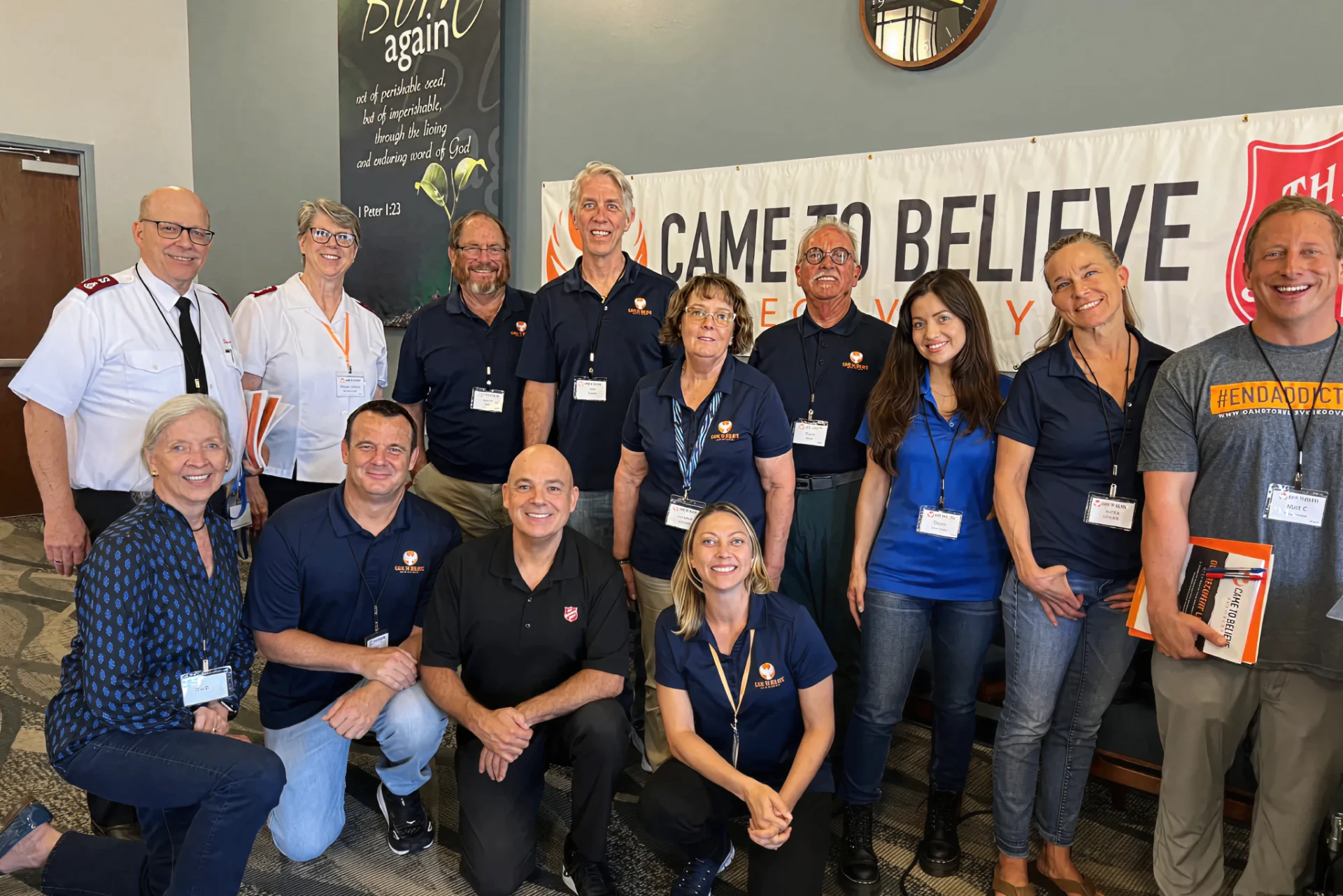
In 2023, CTBR began a multi-year partnership with The Salvation Army, bringing the Came to Believe Recovery model into Adult Rehabilitation Center (ARC) communities.
Through retreats, staff training, ongoing curriculum, teaching materials, podcasts, and continued support, CTBR and The Salvation Army work together to help recovery become a lived, daily practice for individuals and families across multiple states.
Today — Experience. Strength. Hope.
Came to Believe Recovery continues to walk alongside individuals and families seeking lasting freedom from addiction—sharing a recovery path rooted in the Twelve Steps and lived in community.
What began in Akron, was shaped in New York, and carried forward through generations, remains alive today—freely given and freely shared.